Cross-border
Tokyo used condos and October foreign-buyer paperwork
Tokyo Prefecture used-condo asking prices slipped in August for the first time in 28 months, while still rising year on year. From early October, non-resident buyers face two paperwork changes that alter fees and registration, not ownership itself.

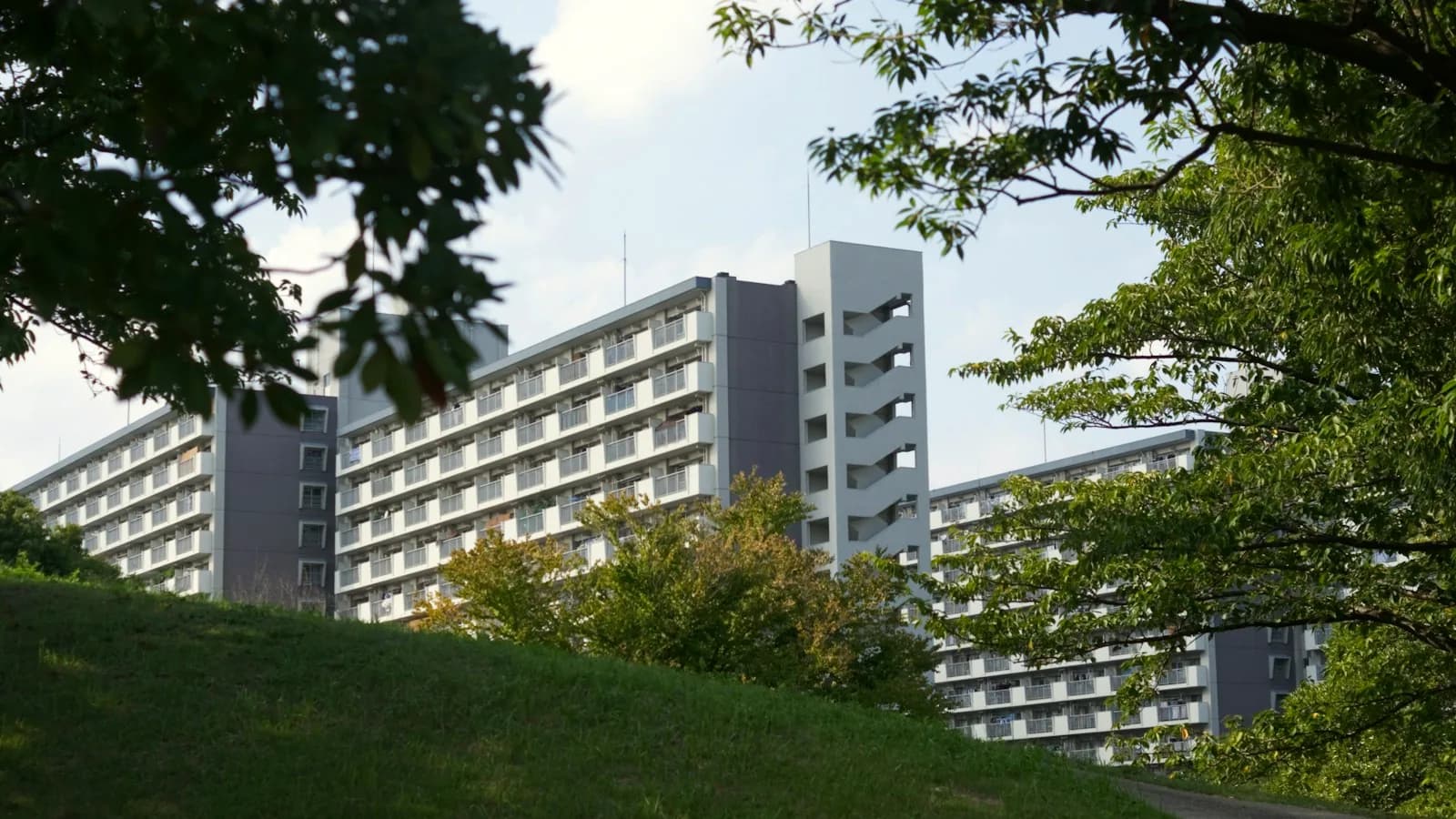
Tokyo’s August used-condo asking prices finally broke a long monthly climb. Tokyo Kantei’s 70-square-metre index for Tokyo Prefecture fell 0.2 percent month on month to ¥112,740,000 (11,274万円). The firm’s release dated 24 September 2026 called that the first month-on-month decline in 28 months. Year on year the same series was still up 24.1 percent. The 23 wards averaged ¥126,770,000, down 0.4 percent on the month and the third consecutive monthly slip there. The central six wards averaged ¥180,680,000, down 0.7 percent and the fourth consecutive monthly fall. Japan Times, citing Jiji on the same day, matched those figures. These are asking prices, not contracted REINS prices. A soft August ask does not, by itself, say what a buyer will pay at exchange.
Japan does not close ordinary residential ownership by nationality. Civil Code Article 3(2) provides that foreign nationals enjoy private rights unless laws, regulations, or treaties prohibit them. A February 2026 House of Representatives research brief states that ordinary non-farm transfers face no general foreign-buyer purchase ban, and that the Alien Land Law has no operative implementing ordinance. Farmland, Important Land Survey Act zones, and other sectoral rules sit outside that baseline. No Tokyo Metropolitan ordinance banning foreign purchase of used condominiums turned up in this reading.
Two October changes do affect paperwork for non-residents and for every natural person who takes title.
From 1 October 2026, brokerage and agency fees for the sale, exchange, or lease of real estate located in Japan, when the service is provided to a non-resident, become subject to Japanese consumption tax. They lose the prior export-style exemption. The National Tax Agency states that rule in Tax Answer No. 6567 and in its Reiwa 8 consumption-tax amendment pamphlet. The Ministry of Finance ordinance comparative table places the same change under the Consumption Tax Act Enforcement Order, with effect from 1 October 2026. Contracts concluded by 31 March 2026 keep the old treatment. The taxable item is the intermediary fee, not the used residential purchase price. The change equalizes how those fees are taxed when the client lives abroad. It is not a purchase ban and it is not a foreign-buyer stamp duty on the property.
From 5 October 2026, a natural person who becomes a new ownership registrant must offer nationality (or Immigration Control Act region) as search information under the amended Real Property Registration Rules. The Ministry of Justice Civil Affairs Bureau circular of 4 September 2026 (民二第872号) sets that commencement date. The circular states that nationality recorded as search information is held as internal information and is not subject to public disclosure under the Real Property Registration Act. A Cabinet Office package on grasping foreign real-estate holdings says the same. Japanese and non-Japanese natural persons fall under the simultaneous-offer duty when they take new ownership. Corporations sit outside this nationality search-info scheme. Existing owners may file a standalone nationality offer. This is disclosure to the registry for administrative use. It is not a ban on purchase, and it does not put a foreign-owner label on the ordinary public certificate.
Overseas address practice remains separate from nationality. When the new owner’s address is abroad, registration practice still requires a domestic contact statement (or a permitted statement that none exists). That is an address rule, not a nationality bar.
Chiyoda Ward’s July 2025 request to industry associations, asking for five-year post-delivery resale covenants on certain project condominiums, targets speculative flipping. It is an administrative request, not a nationality prohibition.
What an individual or foreign buyer should check before pricing stock is therefore narrow and dated. Read August asking-price softness against the still-strong year-on-year print and against what contracts actually clear. Price the brokerage invoice with consumption tax after 1 October 2026 unless a contract signed by 31 March 2026 still sits under the old rule. Budget time and documents for nationality proof at registration from 5 October 2026, and expect that information to stay off the public certificate. Do not treat either October change as a new ban on foreign ownership of Tokyo used condominiums. Cross-border notes of this kind are collected under International investing. Ownership and tax rows for other countries use the foreign-buyer rules matrix. Lending terms for non-residents, full acquisition-tax schedules, and short-let compliance were not filled from primary sources for this brief and stay out of the claim.
Sources
Sources read 25 September 2026.
- Tokyo Kantei, used condo 70㎡ monthly series, release 24 Sep 2026
- The Japan Times / Jiji, 24 Sep 2026
- NTA Tax Answer No. 6567
- NTA Reiwa 8 consumption-tax amendment pamphlet
- MOF Consumption Tax Act Enforcement Order comparative table (FY2026)
- MOJ circular 民二第872号, 4 Sep 2026
- CAS foreign real-estate grasping package
- Civil Code Art. 3 (EN)
- House of Representatives research brief on foreign real-estate acquisition, Feb 2026
- Chiyoda Ward press release, 18 Jul 2025